Posted on 10/30/2026
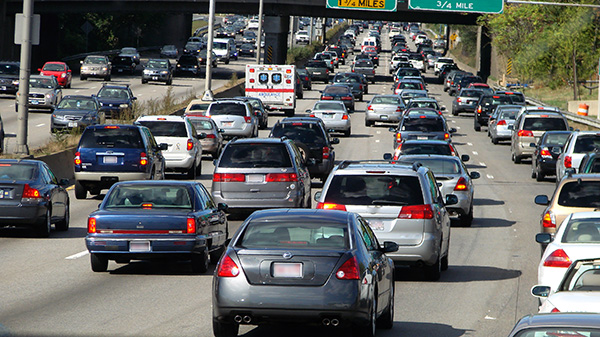
The next lane moves, yours stops, and switching looks like an easy way to get ahead. A minute later, that lane slows too. Heavy traffic often creates the impression of progress without a dependable gain. The risk is more concrete. A sudden lane change closes gaps, surprises surrounding drivers, and leaves less time to react to braking ahead. Your car also has to steer and sometimes brake while sharing limited space. At Dhillon Motorsports, we encourage drivers to keep vehicle condition and driving decisions working together. Tires and brakes help the car respond, while a deliberate lane plan reduces the demand you place on them. Why Traffic Lanes Seem to Take Turns Moving Congestion changes in waves. A vehicle brakes, the next driver reacts, and the slowdown travels through the line. Ramps, exits, turning movements, and larger vehicles also interrupt the flow. From your seat, the neighboring lane is easiest to notice when it moves past you. The str ... read more