Posted on 8/28/2026
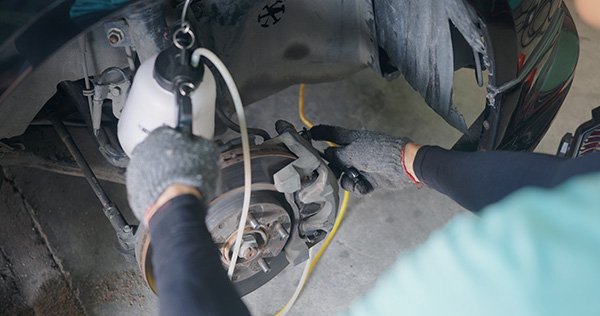
Brake fluid is one of those things drivers rarely see unless the hood is open for service. The reservoir sits quietly near the back of the engine bay, the pedal feels normal, and the car stops the way it always has. That makes it easy to leave the fluid alone for years. Inside the brake system, though, the fluid is dealing with heat, moisture, pressure, and aging hydraulic parts every time you drive. We often see vehicles where the brakes still feel fine around town, but the fluid has clearly reached the point where it deserves attention. Brake Fluid Does More Than Transfer Pedal Pressure When you press the brake pedal, the master cylinder uses brake fluid to apply hydraulic pressure through the lines and hoses to the brakes at each brake cylinder in each wheel. The fluid has to move that pressure consistently without compressing, foaming, or boiling. It also spends its life around seals, valves, calipers, ABS components, and narrow hydraulic passages. At our shop ... read more
Posted on 7/31/2026
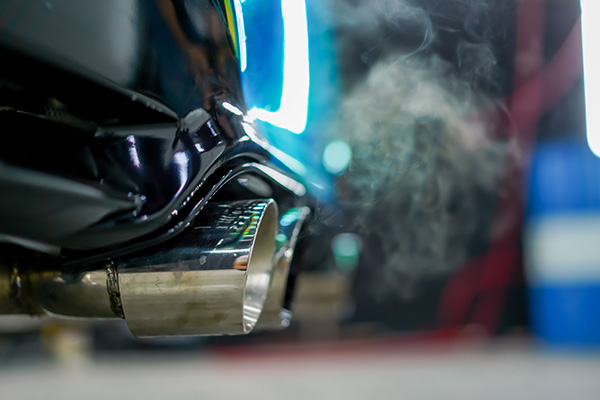
Blue exhaust smoke is one of those warning signs that gets a driver’s attention fast, and for good reason. At our shop, when a customer tells us they have noticed blue or bluish gray smoke coming from the tailpipe, we know the conversation is usually heading in one serious direction. In most cases, blue smoke means the engine is burning oil. That matters because engine oil is supposed to stay inside the engine and lubricate moving parts. It is not supposed to be entering the combustion chamber and burning along with the air and fuel mixture. When oil starts getting into places it does not belong, the exhaust often tells the story before the driver fully understands what is happening. The good news is that blue smoke can help narrow the problem down fairly quickly. The less good news is that it often points to wear or damage inside the engine or related systems. Some causes are more manageable than others, but none of them are something we recommend ignoring for long. W ... read more
Posted on 6/26/2026

There is nothing quite like the feeling of rolling down the windows, turning up your favorite playlist, and pointing your car toward the open highway for a classic summer road trip. Summer is the ultimate season for exploration, and our beautiful country is practically built for long-distance driving adventures. Whether you want to cruise along sun-drenched coastlines, winding mountain passes, or historic desert highways, a great road trip creates memories that last a lifetime. At our auto repair shop, our main job is making sure your vehicle is reliable enough to get you to your destination and back without any mechanical drama. But we also love talking about the fun part of driving. Our service bays are always buzzing with travel talk this time of year as customers share their upcoming vacation plans. To help inspire your next big getaway, we compiled a list of ten incredible summer road trip destinations across the United States that offer spectacular scenery, great driving roads ... read more
Posted on 5/29/2026
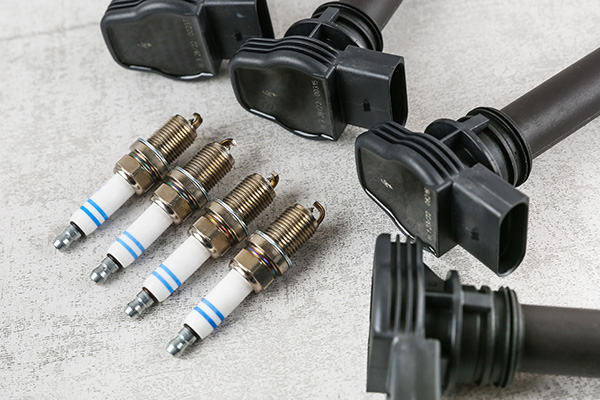
A weak spark does not always make a big scene right away. It may show up as a rough start, a quick stumble when you press the gas, or a check engine light that flashes once and then settles down. That is what makes ignition problems annoying. Spark plugs and ignition coils work together every time the engine fires. When one starts to wear or fail, the symptoms can feel small at first, then turn into misfires, poor fuel economy, and catalytic converter damage if the problem is ignored. 1. What Do Spark Plugs Do? Spark plugs ignite the air-fuel mixture in each cylinder. That spark has to happen at the right moment, with enough strength to create clean combustion. As plugs wear, the gap can widen, and the spark can weaken. The engine may still run, but it may start harder, idle rougher, hesitate under load, or use more fuel than normal. 2. What Do Ignition Coils Do? Ignition coils create the high voltage needed for the spark plugs to fire. Many mod ... read more
Posted on 4/30/2026
%20copy.jpg)
Power windows are something you rarely think about until they stop working. One day, they go up and down without issue, and the next, nothing happens when you press the switch. Sometimes the window gets stuck halfway, which can be even more frustrating. Power window problems can come from several different areas. The key is determining whether it is a simple electrical issue or a mechanical failure within the door. Window Switch Failure Is a Common Cause The window switch is the most-used part of the system, so it is also one of the first to wear out. Over time, the internal contacts can degrade, especially with frequent use. When the switch fails, you may notice that the window works intermittently or not at all. In some cases, trying a different switch, such as the one on the passenger side, can help confirm whether the issue is with the control itself. Faulty Window Motor The window motor moves the glass up and down. When it begins to fail, th ... read more
Posted on 3/27/2026
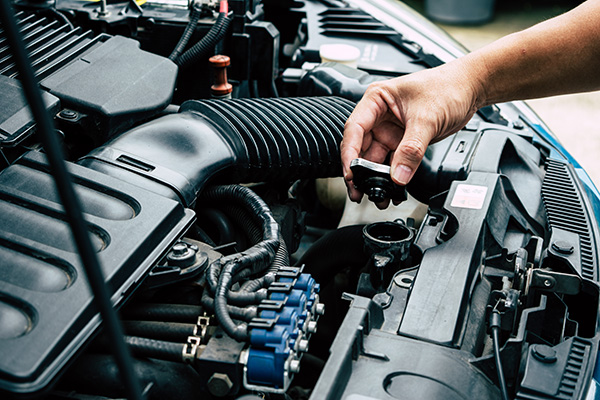
A bubbling or gurgling noise after shutdown usually means the cooling system is struggling to remove heat as it should. Drivers tend to hear it a few seconds after parking, once the engine is off and the cabin gets quiet. The car may still seem to run normally on the road, which is why this sound gets ignored more than it should. That noise is usually the cooling system asking for attention before a bigger problem develops. Why The Sound Shows Up After The Engine Is Off When the engine shuts down, the heat inside it does not disappear right away. Coolant is still hot, pressure is still changing, and the engine bay continues to release stored heat for several minutes. When the cooling system is full, sealed, and circulating properly, that cooldown phase usually stays quiet. A bubbling or gurgling sound means something is interrupting that normal process. In most cases, the system has low coolant, trapped air, a weak cap, or another issue that is making hot coolant m ... read more
Posted on 2/27/2026
An exhaust leak sounds like a noise problem, but it can turn into a check engine light problem pretty quickly. Modern engines rely on oxygen sensors to measure what is happening in the exhaust stream, and those sensors assume the exhaust is sealed. When outside air sneaks in, the readings can skew, and the computer may think the engine is running lean or that the catalytic converter isn't doing its job. That is why a small leak can set off a warning even when the car still feels normal. How Exhaust Leaks Confuse Oxygen Sensors Oxygen sensors measure oxygen content in the exhaust, then the engine computer adjusts fuel delivery based on that feedback. If there is a leak ahead of a sensor, fresh air can get pulled into the exhaust flow, especially during deceleration or at idle. That added oxygen makes the sensor report a lean condition, even if the engine itself is not actually running lean. The computer responds by adding fuel, and that can create more problems t ... read more
Posted on 1/30/2026
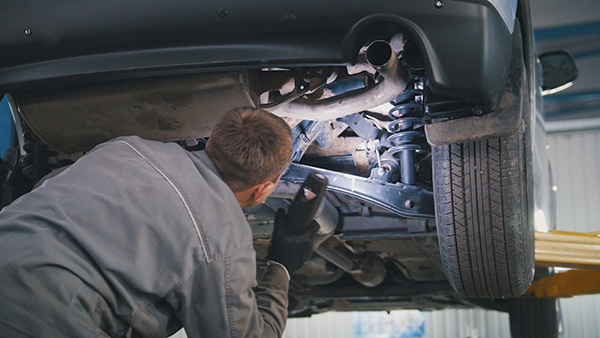
Some roads make every car feel a little busy. But if your vehicle feels nervous, floaty, or unpredictable anytime the pavement gets rough, that’s different. You might notice it on patched asphalt, bridge joints, or those wavy sections of freeway that make the car drift even when you are holding the steering wheel steady. An unstable feel on uneven roads usually comes from a grip-and-control issue. Tires, alignment, and suspension all play a role. The good news is that this problem almost always leaves clues you can follow. Why Uneven Pavement Exposes Weak Points On a smooth road, your tires stay consistently loaded, and the suspension only has to manage small movements. Uneven surfaces constantly change the load on each tire. The suspension has to react quickly, and the steering system has to keep the wheels tracking straight while the tires hit bumps at slightly different times. If a component is worn, the car can lose composure. The tires may not stay plant ... read more