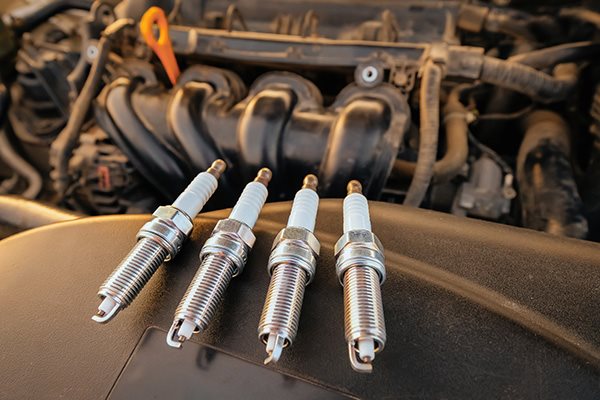
A gas station visit seems to come around sooner than it used to, even though your commute hasn't changed. Tire pressure, traffic, and driving habits all affect fuel consumption, but the engine's ignition system belongs on the list of possible causes too.
Worn spark plugs often develop problems gradually, making it easy to miss the first signs. Understanding their role helps you recognize when an inspection is worth arranging.
How Spark Plugs Help Your Engine Use Fuel
In a gasoline engine, each spark plug ignites a compressed mixture of air and fuel at precisely the right moment. The flame travels across the combustion chamber, pushing the piston and producing power. When the spark arrives consistently, the engine converts fuel into usable work efficiently. Plug design, electrode gap, and ignition timing all influence how reliably that happens under different driving conditions.
Over thousands of miles, electrodes wear, and the gap often grows. Deposits, cracked insulation, or oil entering a plug well create additional trouble. You might still reach highway speed without noticing a major problem, but a developing misfire changes how the engine delivers power. Proper maintenance keeps the ignition system within the vehicle manufacturer's specifications, not a universal replacement schedule printed on a package.
Why a Weak Spark Can Increase Gas Consumption
When a cylinder fails to burn its mixture properly, some of the fuel doesn't contribute useful power. The engine computer monitors combustion and adjusts certain controls, yet those adjustments can't restore a spark that repeatedly fails.
Misfires, unstable idle, and reduced torque all affect real-world efficiency. You may press the accelerator farther to maintain the same pace when the engine isn't responding as it once did.
That doesn't mean every slightly worn plug causes a dramatic drop in miles per gallon. Modern fuel-injected engines compensate for some changes, and fuel use varies with temperature and traffic. A noticeable decline accompanied by hesitation is more informative than fuel economy alone. We compare the reported symptoms with misfire data, ignition condition, and other possible causes before recommending parts.
Signs the Ignition System Needs Inspection
Worn plugs sometimes show themselves during acceleration long before the dashboard lights up. The engine hesitates while merging, briefly shudders on a hill, or idles unevenly at a stoplight. Other drivers notice longer start times or a new vibration when the air conditioner engages. These symptoms aren't exclusive to spark plugs, but their timing helps narrow the first tests.
Does the hesitation happen only with a full load of passengers or when climbing a grade? Higher cylinder pressure raises ignition demand, exposing a weak coil or excessive plug gap. Tell us when the problem occurs and if the check engine light flashes or stays steady. A flashing light with strong shaking signals an active misfire that risks catalytic converter damage. Reduce engine load, arrange assistance, and avoid continuing a demanding drive.
Spark Plugs Are Not the Only Fuel-Economy Suspect
Low tire pressure, dragging brakes, short cold-weather trips, and engine temperature faults also raise fuel consumption. A dirty fuel injector or incorrect air-fuel reading creates symptoms that resemble an ignition problem. Replacing spark plugs because the car uses more gas, without checking the rest of the vehicle, risks spending money while the original problem remains. A targeted inspection connects the fuel-economy change to measurable evidence.
Bring your recent service history and note any changes in driving conditions. If the decline started after a repair, a disturbed ignition connector or intake hose is worth examining. We look at operating data and check the items that fit the symptoms before deciding what belongs on the estimate. The aim is to repair a confirmed fault and explain what the results mean for your everyday driving.
Choose the Correct Spark Plug and Service Interval
Spark plugs aren't interchangeable simply because their threads fit the cylinder head. Manufacturers specify heat range, electrode design, gap, and often a particular plug material. Copper, platinum, and iridium plugs have different service characteristics, but the interval is determined by the engine and its operating conditions. A plug listed for a long interval can still fail early after oil contamination or an ignition-system fault.
During scheduled maintenance, it's worth checking if the plugs are due by mileage or time. Some engines require special tools or procedures to remove them without damaging the cylinder head. An incorrect gap or overtightened plug can create a new problem. We'll explain which parts are due for scheduled replacement and which components need testing because of an actual performance concern.
What an Ignition Inspection Should Confirm
A check engine code indicating a misfire identifies a cylinder or combustion pattern, not necessarily a defective spark plug.
If the engine received recent battery or electrical work, mention that too. Unstable charging or a disturbed connector changes the testing plan, particularly when the hesitation began immediately after service. Coils, injectors, air leaks, wiring, and compression faults belong in the investigation when the evidence points toward them. An inspection may include checking plug condition, reviewing misfire counts, and testing ignition performance under the conditions that produced the hesitation. Results, not a code description, determine the repair.
Useful clues to report include:
After the repair, the original hesitation should be gone, and the engine should run consistently under normal loads. Fuel economy needs to be judged across several comparable trips because one tank isn't a reliable before-and-after test. Keeping records of maintenance and inspection findings makes future changes easier to spot.
Get Spark Plug and Fuel-Economy Service in San Jose, CA, With Dhillon Motorsports
Dhillon Motorsports in San Jose, CA, helps drivers investigate misfires, aging spark plugs, and changes in fuel consumption. We'll explain the inspection findings and which ignition repairs are supported by testing.
Call Dhillon Motorsports or schedule your spark plug inspection online today.