A bubbling or gurgling noise after shutdown usually means the cooling system is struggling to remove heat as it should. Drivers tend to hear it a few seconds after parking, once the engine is off and the cabin gets quiet. The car may still seem to run normally on the road, which is why this sound gets ignored more than it should.
That noise is usually the cooling system asking for attention before a bigger problem develops.
Why The Sound Shows Up After The Engine Is Off
When the engine shuts down, the heat inside it does not disappear right away. Coolant is still hot, pressure is still changing, and the engine bay continues to release stored heat for several minutes. When the cooling system is full, sealed, and circulating properly, that cooldown phase usually stays quiet.
A bubbling or gurgling sound means something is interrupting that normal process. In most cases, the system has low coolant, trapped air, a weak cap, or another issue that is making hot coolant move unevenly through the engine, heater core, or reservoir.
Low Coolant Is One Of The First Things To Suspect
Low coolant is one of the most common reasons a car starts making this sound after shutdown. Once the level drops, air pockets develop inside the system, and coolant no longer flows as evenly as it should. Then, after you turn the engine off, the trapped air shifts around, creating the bubbling noise drivers hear under the hood or near the dash.
This is why low coolant levels should never be treated as a minor detail. The sound itself may seem minor, though the cause is usually a leak or pressure problem that will keep worsening until it is repaired. Waiting usually turns a cooling system issue into an overheating risk.
Trapped Air Changes The Way The Cooling System Works
Air inside the cooling system creates more trouble than most drivers expect. It interrupts circulation, creates hot spots, and throws off heater performance. In some cars, the sound seems to come from behind the dashboard because the heater core is one of the places where air and coolant move together.
A few clues usually show up alongside the noise:
- The heater blows warm, then cooler, then warm again
- The coolant reservoir level keeps changing
- The temperature gauge acts differently in traffic
- You smell coolant after driving
Those signs point to a cooling system that is no longer maintaining a full, stable state.
A Weak Radiator Cap Can Trigger Bubbling Too
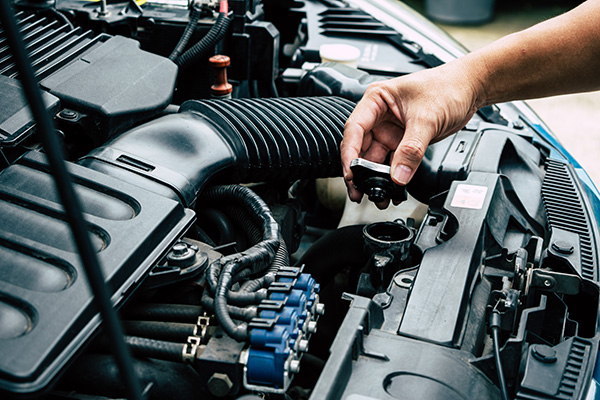
The radiator cap or pressure cap does more than close the system. It controls pressure, helps coolant flow between the radiator and the reservoir, and raises the coolant's boiling point. Once that cap weakens, the system loses pressure too easily, and hot coolant starts boiling or moving in ways it should not.
That leads to bubbling in the overflow tank, noise after shutdown, and a cooling system that feels less consistent from one drive to the next. A weak cap is not always the only problem, though it is a very common reason a smaller cooling issue becomes easier to hear.
When The Sound Points To A Bigger Problem
A gurgling sound after shutdown does not always mean major engine damage, but it should not be brushed off when it keeps happening. Sometimes the root cause is a thermostat that is not controlling the flow correctly. In other cases, the system has a leak, a weak water pump, or a head gasket problem starting to push gases into the cooling system.
This is where the pattern becomes important. A one-time sound after recent cooling system work may indicate trapped air that still needs to be properly bled out. A repeated bubbling sound with coolant loss, a sweet smell, or rising engine temperature is more serious and deserves an inspection sooner rather than later.
Why Waiting Usually Raises The Repair Cost
Cooling system problems almost never stay the same size. A small leak becomes low coolant. Low coolant leads to trapped air. Trapped air leads to poor circulation and hot spots. Before long, the repair is no longer about a hose, cap, or fitting. It is about what excess heat has already done to the rest of the engine.
This is one reason regular maintenance matters so much here. Cooling systems usually give early warnings before a real overheating event. Catching a bubbling or gurgling sound at this stage gives you a much better chance of fixing the actual cause before the engine starts paying for it.
What A Proper Check Should Cover
A real cooling system inspection should include coolant level, pressure testing, cap condition, hose condition, reservoir function, and signs of leaks or trapped air. Heater performance and engine temperature behavior deserve attention because they usually help narrow the source quickly. The goal is not just to quiet the noise. It is to restore full cooling system control before the next hot day or traffic backup pushes the car too far.
That is the difference between a simple cooling system repair and a much more expensive engine repair later.
Get a Cooling System Inspection In San Jose, CA, With Dhillon Motorsports
If your car makes a bubbling or gurgling noise after you shut it off, Dhillon Motorsports in San Jose, CA, can inspect the cooling system, identify the cause, and fix it before low coolant or trapped air leads to overheating damage.
Bring it in while the sound is still an early warning and not the start of a much bigger repair.